အပိုဒ္ (၁) - လူတိုင္းသည္ ေမြးဖြားလာကတည္းက တန္းတူညီမႈရွိသည္။
အပိုဒ္ (၂) - မည္သူ ့ကိုမွ ခြဲျခားဖိႏွိပ္ျခင္းမရွိေစရ။
အပိုဒ္ (၃) - လူတိုင္း အသက္ရွင္ခြင့္၊ လြတ္လပ္ခြင့္ႏွင့္ လံုၿခံဳခြင့္ရွိသည္။
အပိုဒ္ (၄) - မည္သူ့ ့ကို့မွ ကၽြန္အျဖစ္ေစခိုင္းျခင္း၊ ေရာင္းဝယ္ျခင္းမျပဳရ။
အပိုဒ္ (၅) - မည္သူ ့ကိုမွ မတရားႏွိပ္စက္ျခင္း၊ လူမဆန္စြာ၊ ရက္စက္စြာ ဆက္ဆံျခင္း အျပစ္ေပးျခင္း မျပဳရ။
အပိုဒ္ (၆) - တရားဥပေဒေရွ ့ေမွာက္တြင္ လူတိုင္းအား လူသားအျဖစ္ အသိအမွတ္ျပဳ ခံပို္င္ခြင့္၊
အပိုဒ္ (၇) - တရားဥပေဒေရွ ့တြင္ တန္းတူညီခြင့္၊
အပိုဒ္ (၈) - မိမိပိုင္အခြင့္အေရး ခ်ဳိးေဖာက္ခံရပါက ဥပေဒအကူအညီ ရယူခြင့္္၊
အပိုဒ္ (၉) - မတရားဖမ္းဆီးျခင္း၊ တိုင္းျပည္မွ ႏွင္ထုတ္ျခင္းအား ကာကြယ္မႈ ရရွိခြင့္၊
အပိုဒ္ (၁၀) - လူအမ်ားၾကားနာၿပီး တရားမွ်တေသာ တရားစီရင္မႈရရွိခြင့္၊
အပိုဒ္ (၁၁) - ခိုင္လံုေသာ အေထာက္အထားမရွိမခ်င္း ထိုသူသည္ အျပစ္မရွိဟူ၍ သတ္မွတ္ခံပိုင္ခြင့္၊
အပိုဒ္ (၁၂) - ပုဂၢလိက ကိုယ္ေရးကိုယ္တာမ်ားအား ဝင္ေရာက္စြက္ဖက္ျခင္းမွ ကာကြယ္ေပးျခင္း၊
အပိုဒ္ (၁၃) - လြတ္လပ္စြာ လႈပ္ရွားသြားလာခြင့္၊
အပိုဒ္ (၁၄) - မတရားအျပစ္ေပးခံရမည္ဆိုပါက အျခားႏိုင္ငံမ်ားတြင္ ခိုလႈံခြင့္ ေတာင္းခံပိုင္ခြင့္၊
အပိုဒ္ (၁၅) - ႏို္င္ငံသား ျဖစ္ခြင့္၊
အပိုဒ္ (၁၆) - အရြယ္ေရာက္သူတိုင္း မိမိဆႏၵျဖင့္ လက္ထပ္အိမ္ယာထူေထာင္ခြင့္၊
အပိုဒ္ (၁၇) - ပစၥည္းဥစၥာပိုင္ဆိုင္ခြင့္၊
အပိုဒ္ (၁၈) - လြြတ္လပ္စြာ ေတြးေခၚ ယံုၾကည္ ကိုးကြယ္ခြင့္၊
အပိုဒ္ (၁၉) - လြတ္လပ္စြာ ထုတ္ေဖာ္တင္ျပ ေျပာဆိုခြင့္၊ သတင္းရယူခြင့္၊
အပိုဒ္ (၂၀) - ၿငိမ္းခ်မ္းစြာ ဖြဲ ့စည္းထားေသာ အဖြဲ ့မ်ားအား လြတ္လပ္စြာ ဝင္ေရာက္ခြင့္၊ စုေဝးခြင့္၊
အပိုဒ္ (၂၁) - အစိုးရတြင္ ပါဝင္ခြင့္၊
အပုိဒ္ (၂၂) - လူမႈဖူလံုေရး ခံစားခြင့္၊
အပိုဒ္ (၂၃) - အလုပ္လုပ္ခြင့္၊ အလုပ္သမား သမဂၢမ်ားဝင္ေရာက္ခြင့္၊
အပိုဒ္ (၂၄) - အပန္းေျဖအနားယူခြင့္၊
အပိုဒ္ (၂၅) - လံုေလာက္ေသာ လူမႈအဆင့္အတန္း ခံစားခြင့္ႏွင့္ ေဆးကုသခံပိုင္ခြင့္၊
အပိုဒ္ (၂၆) - ပညာသင္ၾကားပိုင္ခြင့္၊
အပိုဒ္ (၂၇) - ယဥ္ေက်းမႈဘဝတြင္ ပါဝင္ပိုင္ခြင့္ႏွင့္ မိမိတီထြင္မႈအက်ဳိးကို မိမိိခံစားပိုင္ခြင့္၊
အပိုဒ္ (၂၈) - ထုိအခြင့္အေရးမ်ားကို ေလးစားရန္တာဝန္၊
အပိုဒ္ (၂၉) - အျခားသူမ်ား၏ အခြင့္အေရးကို ေလးစားလိုက္နာရန္၊
အပိုဒ္ (၃၀) - မည္သူမွ ဤအခြင့္အေရးမ်ားကို မခ်ဳိးေဖာက္ရန္တာဝန္၊
ကမၻာ့ကုလသမဂၢ အေထြေထြညီလာခံက ၁၉၄၈ ခုႏွစ္တြင္ ျပဌာန္းလိုက္ေသာ အျပည္ျပည္ ဆိုင္ရာ လူ ့အခြင့္အေရး ေၾကညာစာတမ္းသည္ လက္မွတ္ေရးထိုးစရာ လိုအပ္ေသာ သေဘာတူစာခ်ဳပ္ မဟုတ္ေသာ္လည္း မည္သည့္ႏိုင္ငံမဆို ကုလသမဂၢပဋိညာဥ္ စာခ်ဳပ္ကို လက္မွတ္ေရးထိုးလိုက္ၿပီး ကုလသမဂၢ အဖြဲ ့ဝင္ႏိုင္ငံ ျဖစ္သြားသည္ႏွင့္ တၿပိဳင္နက္ အျပည္ျပည္ဆိုင္ရာ လူ ့အခြင့္အေရး ေၾကညာစာတမ္းပါ အခ်က္မ်ားကို ေလးစား လိုက္နာရန္ တာဝန္ရွိသြားၿပီ ျဖစ္သည္။ အျပည္ျပည္ဆိုင္ရာ လူ ့အခြင့္အေရး ေၾကညာ စာတမ္းကို ကုလသမဂၢ ပဋိညာဥ္မွ လြဲ၍ မည္သည့္စာခ်ဳပ္၊ မည္သည့္ ဥပေဒကမွ မလႊမ္းမိုးႏိုင္။
Wednesday, June 17, 2009


Tuesday, June 16, 2009
* Sri Lanka President visits Shwedagon Pagoda in Myanmar
 |
June 16, Yangon: Sri Lanka President, Mahinda Rajapaksa and First Lady Shiranthi Rajapaksa were warmly received at the world famous Shwedagon Pagoda, in Yangon, formerly Rangoon, on June 15th by the Director General, Ministry of Religious Affairs, Buddhist Monks, Trustee of the Pagoda, Shwedagon U Ba Shwe and area commanders of the Myanmar Army.
Ven. Dr. Bodagama Chandima Thero also in the picture, SriLankan Maha Sanga and Myanmar Maha Sanga, Sri Lankan Ambassador Newton Gunaratne, President's sons Yoshitha Rajapaksa and Rohitha Rajapaksa were also present.
 |
 |
 |
 |
Iran to recount votes in disputed election I
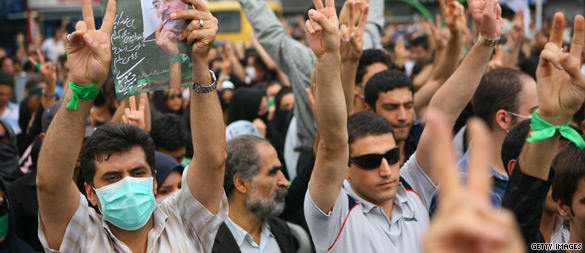
Iranian authorities agree to recount disputed presidential votes as the country faces intensifying unrest in the wake of a claimed victory by incumbent Mahmoud Ahmadinejad that opponents say was the result of a rigged ballot. Ahmadinejad's main rival, conservative reformist Mir Hossein Moussavi, rejects the recount, calling instead for a fresh election. full story
Thursday, June 4, 2009
BEIJING, China
If 63-year-old Chinese scholar Zhou Dou had his way, he would be on hunger strike on June 4, sitting quietly through the day at Purple Bamboo Park, 20 minutes' taxi ride from Beijing's Tiananmen Square. 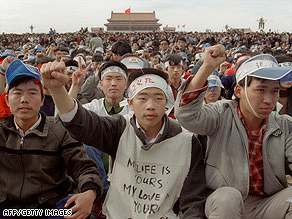
 She said they expected to return to the city a week later, after the June 4 anniversary jitters had subsided.
Students from Beijing University demonstrate on May 18, 1989, at Tiananmen Square.
His aim: to mark the 20th anniversary of the Tiananmen crackdown and to dramatize his defiant call for answers from Chinese authorities.
"What is the truth?" he pressed rhetorically, as he discussed his plans with CNN a week earlier. "How many people were in fact robbed of their lives? The truth remains unknown, because the Chinese government has suppressed information about the truth on June 4th."
On that day 20 years ago, Chinese troops in armored personnel carriers and tanks rumbled toward Tiananmen Square. That was where Zhou, along with three other intellectuals, including Taiwanese singer-composer Hou Dejian, were on the second day of a hunger strike to show solidarity with student protesters. The soldiers, on strict orders to clear Tiananmen Square of demonstrators, had forced their way through the city's main thoroughfare. Along the way, they met fierce resistance from students and city residents who barricaded the streets, so they fired at them. When the firing stopped, hundreds if not thousands of people lay maimed or dead.
A few hours past midnight on June 4, Zhou and the protesters on the square found themselves surrounded by troops and tanks, and yet several holdouts wanted to "resist till death." Sensing a sure bloodbath, Zhou and Hou appeased the hotheads and took control of their ranks. Gingerly, the two approached army officers and negotiated an agreement that allowed the demonstrators to withdraw peacefully. After they dispersed, some stayed home, some were arrested, and others became fugitives.
Three days later, Zhou went into hiding after he learned that the computer company he worked for as a policy planner had become the target of a witch hunt. Weeks later, police caught bespectacled sociologist. He was detained but was not formally charged or tried. He was released months later.
"None at all," Zhou said firmly. "I would regret enormously if I hadn't done what I did and if hadn't saved the lives of so many people (on the square). This single reason is enough. Had I not done that, I would be hitting my head against the wall every day."
Despite the painful memories, Zhou said, he remains cautiously optimistic about how grassroots activism has grown in China.
"There is a huge difference now compared with 20 years ago," Zhou told CNN two weeks before the June 4 anniversary. "I think the citizens are becoming more aware of their rights. It's especially shown in the ranks of the NGOs (nongovernment organizations), lawyers and intellectuals. This is an important sign that the citizens' consciousness has waken up in China."
Accordingly, Zhou has sought to abide by laws and regulations. A week before the June 4 anniversary, Zhou prepared to drive to a police station to apply for a permit to conduct his day-long hunger strike. He wrote an application, even detailing that he would simply sit quietly in the park, carrying a banner that would read: "Publicize the truth of June 4 -- reach the goal of reconciliation of society!"
But Zhou did not even make it to the station. Police showed up at his home and talked him and his wife into going along with them for a "vacation" at a government-owned hostel. Reached by phone on June 3, Zhou's wife said good-naturedly: "We are both fine. We are having a good time teaching the police about democracy."
Sunday, May 24, 2009

Tuesday, May 19, 2009

Thursday, May 14, 2009

Monday, April 27, 2009


Wednesday, April 22, 2009
Nobel Prize Scientist, Age 100, Still at It
Rita Levi Montalcini, a Nobel Prize-winning scientist, said that even though she is about to turn 100, her mind is sharper than it was she when she was 20.

Levi Montalcini, who also serves as a senator for life in Italy, celebrates her 100th birthday on Wednesday, and she spoke at a ceremony held in her honor by the European Brain Research Institute.
She shared the 1986 Nobel Prize for Medicine with American Stanley Cohen for discovering mechanisms that regulate the growth of cells and organs.
"At 100, I have a mind that is superior -- thanks to experience -- than when I was 20," she told the party, complete with a large cake for her.
Subscribe to:
Posts (Atom)
